

ATTACHMENT-INFORMED THERAPY
Attachment-Informed Therapy
At our practice, attachment theory serves as a foundation for the work we do. Attachment theory helps us understand how our earliest relationships shape the way we view ourselves, connect with others, and navigate the world. These experiences create internal "working models" that influence our sense of safety, self-worth, trust, and belonging throughout life.
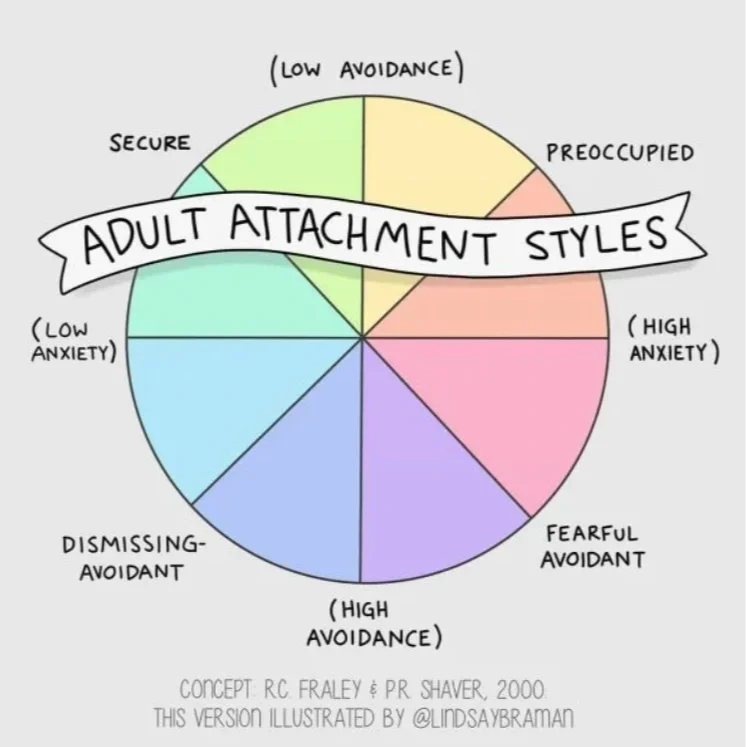
As an attachment-informed practice, we integrate education about attachment theory, attachment styles, and attachment needs into therapy. Understanding your attachment patterns can provide valuable insight into relationship challenges, emotional struggles, and recurring patterns that may feel difficult to change.
Unlike some therapeutic approaches that focus primarily on learning a specific set of skills, attachment-informed therapy is centered on creating meaningful shifts in how you experience yourself and others. Through a safe, consistent, and collaborative therapeutic relationship, we work to create corrective emotional experiences that foster healing, growth, and greater emotional security.
We draw from a variety of evidence-based approaches—including CBT, DBT, EMDR, mindfulness, and other interventions—but our goal extends beyond symptom reduction alone. Rather than simply teaching skills or helping you manage symptoms, we blend attachment principles into every aspect of treatment. The skills, insights, and interventions we use are chosen not only because they are effective, but because they support the development of a more secure relationship with yourself and others.
Our approach is heavily influenced by the work of attachment theorist John Bowlby, who described several key tasks of an attachment-focused therapist. These include:
Providing a secure base from which clients can safely explore thoughts, emotions, relationships, and experiences.
Helping clients explore past and present relationships to better understand recurring patterns and emotional responses.
Examining the therapeutic relationship itself as a source of insight and healing.
Identifying and revising unhelpful internal working models about oneself and others.
Supporting the development of healthier, more secure ways of relating both within therapy and in everyday life.
Through this process, therapy becomes more than a place to talk about problems—it becomes a relationship that helps foster new experiences of safety, trust, connection, and self-worth.
At its core, attachment-informed therapy seeks to strengthen a secure working model: "I am worthy, and others can be trusted." As this foundation develops, many people experience greater self-confidence, healthier relationships, increased emotional resilience, and a deeper sense of connection with themselves and those around them.
Attachment healing is not about fixing what is "wrong" with you. It is about understanding the ways your experiences have shaped you, meeting attachment needs that may have gone unmet, and creating lasting change from the ground up.
Attachment Therapy in Missoula
ATTACHMENT THERAPISTS
Theresa O’Keefe, LCSW, LMSW, MS, EMDRIA-C
Katie Edens, PCLC, MS
Meggie Missall, SWLC, MSW
Calliana Bagnell, PCLC, MS
Lex Peel, LCSW